
1. Introduction
Singapore, the city-state of great dynamism, is a place where the value of every square foot is realized. The interior design in such a housing environment that is ruled by tiny HDB flats and glamorous condos is not only aesthetics, it is a necessity to maximize space, enhance wellness, and express one’s personality. All the selections done in Singaporean living places have to rhyme with form, climate, and practicality in a very skillful manner.
2. The Space Maximizers, Functionality and Calm
In Singapore, where high-density living is the norm, the most favored design styles are those that focus on light, airiness, and intelligent arrangement of space. With the help of simplicity and ingenious design, these aesthetics are able to make even the tiniest areas look and feel much more spacious and less congested.
2.1 Contemporary Scandinavian
The Scandinavian style, which is usually regarded as the best option for HDB interior design, still remains a leading trend, but at the same time it has changed. Nowadays, it is less characterized by the very white minimalism and more by the Modern Scandinavian, which is a style that breathes through warmer colors and smoother materials the entire traditional Nordic style.
Modern Scandinavian design is a perfect match for the practical side of the Singaporean people. The design has won over the homeowners due to its visual calming and highly functional abilities. In a standard 4-room HDB flat, the Scandinavian look usually consists of a living and dining area with an open-concept, which is supported by the use of light-colored wood that flows from one area to another.
Modern Scandinavian design, unlike with its stricter minimalist counterpart, makes use of lighting for design purposes, not just for illumination. Just imagine black matte track lighting combined with big soft paper or rattan lamps hanging over the dining area. The resulting effect is that the modest space is not only brightened up, but a few focal points are also created without overwhelming the space. The usual materials specified are engineered wood and vinyl flooring that are both durable and easy to maintain in a humid climate.
A typical Modern Scandinavian kitchen would consist of flat-panel white or light grey cabinetry along with a butcher block or light stone countertop. The focus is on smooth, handleless cabinets and intelligent storage systems that keep the work area spotless. This classic style remains one of the most commonly requested aesthetics due to its combination of practicality, affordability, and timelessness.
2.2 Soft Minimalist
Minimalism has transitioned from its strict and purely aesthetic phase to Soft Minimalism which is quite more acceptable for daily living. This style, which frequently borders with Contemporary Elegance, favors simplicity but highlights comfort and carefully selected belongings instead of bare emptiness.
Switching to Soft Minimalism for design indicates that Singaporean residents wanted their living places in the city to act as a source of peace and quiet. This set of arrangements caters to the need for tranquility, which has been accentuated by the work-from-home culture that is gaining ground. The use of texture is one of the key features that help to get rid of the coldness that is associated with traditional minimalism; for example, smooth micro-cement flooring can be used along with rough lime-wash walls, or soft linen upholstery can be combined with polished metal accents.
A Soft Minimalist bedroom typically contains a low-profile platform bed with built-in storage that does away with the need for bulky nightstands. The color palette is tonal, layered shades of grey or beige creating depth while keeping a calm atmosphere. Recessed or cove ceiling fixtures provide a modest, uniform light wash that accentuates the architectural elements instead of the light sources themselves.
The method is also very successful in Singapore condos, where the high ceilings and big windows really let the neutral hues and uncluttered lines stand out. It is frequently combined with the latest in Smart Home technology, where automatic blinds, intelligent lighting, and sound systems, which are incorporated into the walls, are very much in line with the style’s emphasis on smooth utility and hidden luxury.
2.3 Japandi: The Harmonious Hybrid
Japandi is a steeply-pitched hybrid that screams the present-day craving for extreme practicality and organic tranquility. It’s the highest level of Japanese minimalism (zen philosophy, smooth contours, nature-considerate materials) and Scandinavian purity of life (comfort, well-lit areas) along with the beautiful least commonplace features of both styles to be vividly present in one and only life.
Japandi, the eventually soul-brightening and re-energizing, is purely the gradual solstice of minimalism. The once raiding and plundering in-house lightening in the tropically situated Singapore is now through the ambient lighting made possible by the very natural, breathable materials that form the walls of the house—bamboo, rattan, rice-paper lamps. The soft, mellow light of the style is extolled as the most effective method to bring about a serene night mood.
The application of the Japandi concepts in a Singapore house usually begins with a very subdued color scheme of white, beige, and warm terracotta, and then Black, charcoal, or dark wood accents, which are mostly seen in the frames of the windows or in the shelving units. The combination of clean white surfaces with a deep, dark timber feature is a perfect illustration of Japandi-style coexistence.
The functional side is very much embedded in the whole concept. Often custom-built in wardrobes come with very minimalist detailing rather than traditional large handles. The practice of making furniture that has multiple uses, such as a dining table that can be opened or closed, is at the very heart of this design ideology. For those homeowners who are in search of a real calm oasis, Japandi offers a completely furnished design that honors the restrictions of city-center apartments while being a true source of inner peace.
3. The Statement Makers – Luxury, Texture, and Character
Even though efficiency significantly influences the selection of materials and colors, there is a demand for such personal spaces by Singaporean people who want their homes to represent their status and taste while at the same time being more entertaining. The design features that come up here are stronger, more varied textures, upscale materials, and individualistic architectural interpretations.
3.1 Modern Luxury: Opulence and Bespoke Finishes
Modern Luxury, a.k.a. Quiet Luxury, is a trend that is gaining ground very quickly, especially in the renovation of condos in Singapore and the construction of expensive landed properties. The trend is characterized by first-rate artistry, luxury materials, and a refined atmosphere reminiscent of exclusive social clubs. It’s more about having an inner feeling of wealth, rather than ostentatiously displaying it.
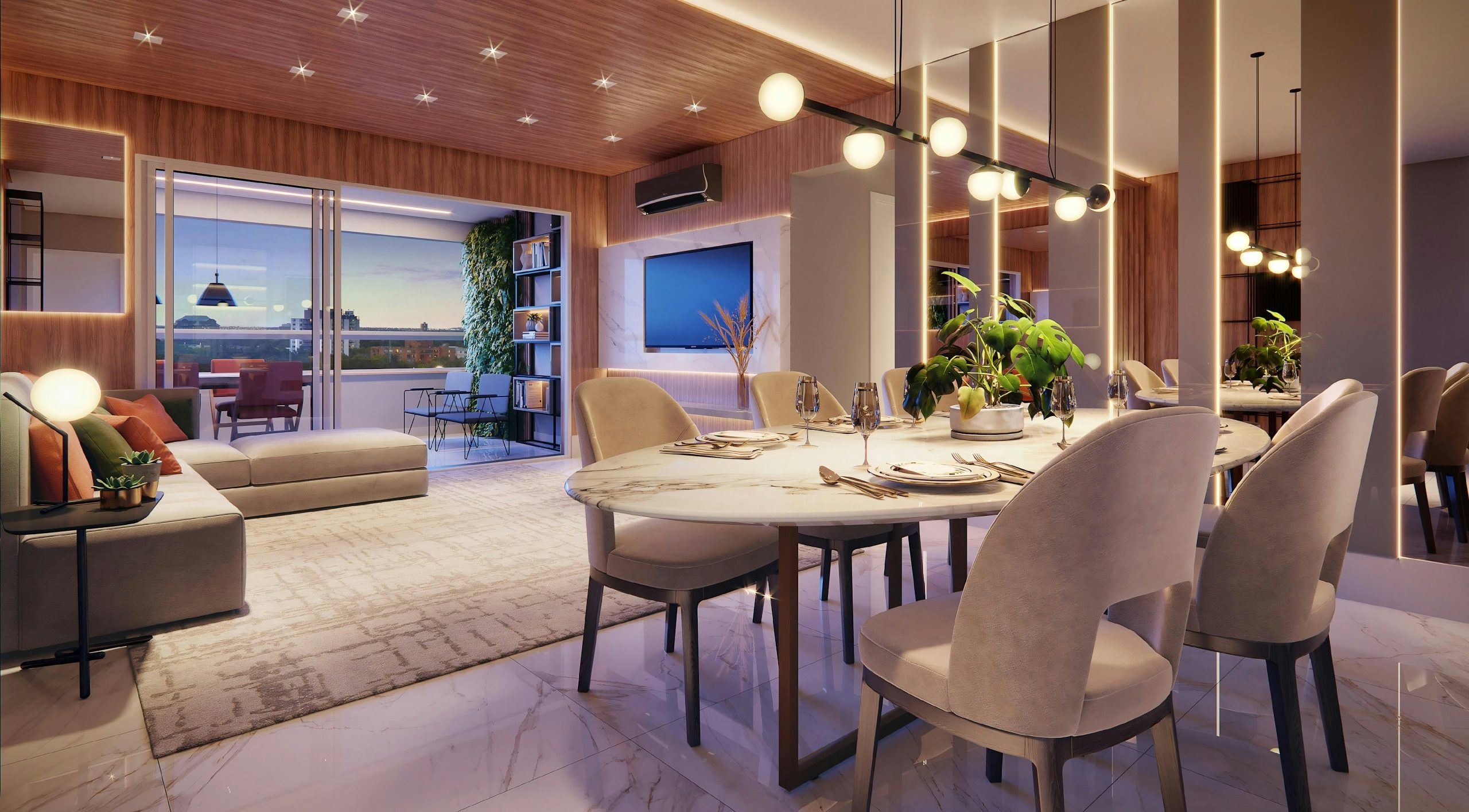
The Modern Luxury style makes it possible for homeowners to make a huge impact and save for the long term at the same time. The design emphasizes the sensory involvement and the eye movement. For example, a living room could have a marble floor that is both seamless and continues to form a TV feature wall which is bold and majestic at the same time, thereby creating a feeling of luxury right away. Brass details are carefully chosen—such as in the trim of a table, the frame of a mirror, or the finish of an art piece—to not only to be seen but also to be felt as warm from the light they reflect.
The role of lighting is very important in this style. Modern Luxury does not rely on merely one overhead light but rather, it utilizes lighting in layers: hidden cove lighting to wash the ceiling, wall sconces to bring out the texture, and a stunning chandelier or pendant light over the dining table. This combination of lights makes it possible to create different moods that range from casual entertaining to formal dinners according to the activity.
It is not just in the bathrooms and kitchens that the look is portrayed by the use of full-height, high-quality finishes. The polishing of the cabinets may feature glass fronts or dark matte finishes depending on the taste, however, the appliances integrated in are always the ones with the highest quality. True, this style demands a larger budget for renovation, however, it gives an unbeatable feeling of permanence and prestige, hence it is a big dream for quite a few rich Singaporean families to have it.
3.2 Industrial Chic: Raw Edge and Urban Character
The Industrial Chic style takes its roots from the lofts, warehouses, and factories that have been changed in purpose, thus, introducing a rough, city-like vibe to the modern Singaporean dwellings. This style gives a striking contrast to the city’s smooth skyline and attracts the owners who prefer the rough and the character to the shiny and perfect.
Industrial Chic style in Singapore has a major benefit of durability and low maintenance, which is perfect for busy professionals. The raw look gives a strong and individual character, and, in this way, it goes against the dominant minimalist trends in a great way. It is quite common in HDBs and older condos where creative faux finishes are applied, for instance, wallpaper or laminate is used to imitate the exposed brick or floor screed (which is usually more comfortable and practical than real concrete).
In the case of an Industrial Home, the space for living is mostly large, durable leather sofa or a sofa in a dark textured fabric. The dark pipes and reclaimed wood open shelving take the place of conventional cabinets and serve both functional and aesthetic purposes. The kitchen is to receive a stainless steel or concrete countertop, combined with the storage area for pots and pans showing the “working space” approach, often becoming the point of attraction.
This décor style comes with the option for the partitioning of spaces with glass and metal frames without losing the open-plan feel and at the same time having well-defined areas—which is an ideal solution for a small flat where one creates a separate work-from-home area. When executed right, Industrial Chic gets to be extremely cool, durable, and fully personalized.
3.3 Contemporary Elegance: Ever-Evolving Sophistication
Contemporary Elegance is the style that reflects today’s trends, it is not bound to any single restrictions, rather it takes the most beautiful traits from Modernism, Minimalism, and Luxury, thus, making the design feel always up to date, fresh, and sophisticated. It is the secure, yet chic, alternative for Singapore home remodeling.
The reason why Contemporary Elegance is so popular in Singapore is that it is, by its nature, very flexible. It is this very quality that allows the homeowner to not only add but also mix and match the latest trends like for instance; curvy furniture and fluted panels used in the making of walls, without being tied to a particular style. This modern elegance is, in fact, the most common style in condominiums where the combination of great views and straight lines makes the high-end simple look even more attractive.
To get the look of Contemporary Elegance, one needs to stack nicely. First, apply a neutral color, then create a height and depth by painting the walls with wallpapers of fine textures or giving them subtle limewash finishes. Lighting is the tool used to highlight these design elements and in most cases, the use of recessed spotlights creates a wash of light that is really dramatic on the walls.
A modern kitchen might have, for example, smooth cabinets in a matte finish with no handles, along with a composite stone countertop that is both resistant to stains and at the same time looks sleek. The living area is made fluid and versatile with seating that can be rearranged easily and tech that is hidden but cleverly placed. In the end, Contemporary Elegance is like a canvas that is not only chic and classic but also very accommodating for the ever-changing personal preferences and lifestyle requirements hence making it a reliable and high-ranking choice for Singaporeans.
3.4 Biophilic Design: Bringing Nature Indoors
Biophilic Design is not merely a separate approach but rather a belief that has significantly influenced all styles in Singapore. The city’s high population density has driven the residents to be very much aware of the need for nature in their houses, the main reason being health benefits, stress alleviation, and the feeling of having a larger space.
Biophilic design is one of the most important answers to Singapore’s tropical climate and busy city life. The intentional merging of interior and exterior spaces results in a living area that is more healthful and calm. This design is highly compatible with Scandinavian, Japandi, and Soft Minimalist fashions.
For the case of public housing or HDB, transformation of a balcony or service yard into a green sanctuary by following Biophilic principles occurs often in a well-thought-out balcony or service yard transformation. Feature walls indoors may comprise either slatted wood panels with or without textured stone finishes. Large-format windows are either left bare or lightly, sheerly clad in linen to allow for the maximum transmission of natural light, which is a fundamental part of the Biophilic approach as light is considered natural.
The selection of furnishings usually consists of objects made from natural fibres such as jute rugs and rattan chairs, which contribute to the general atmosphere of tactility and visual interest. The use of colors—like a deep sea-blue tiled bathroom or an emerald-green kitchen backsplash—is also about stimulating the imagination for natural places. Eco-friendly and sustainable materials like reclaimed wood or recycled glass not only support the wellness and environmental consciousness of the home but also attract the rapidly growing segment of eco-sensitive Singaporean homeowners.
4. The Unifying HDB and Condo Design Trends
Nevertheless, the practicality aspect has to be mindfully observed in the renovation of a home in Singapore that is to be considered attractive. These factors are the very reasons that the trendy styles are revealed.
4.1 Multi-Functional Furniture and Flexible Zoning
Compact living places have completely gotten rid of the use of single-purpose furniture. Nowadays, the trend is to prioritize the items that do more than one role:
Murphy Beds/Platform Storage Beds: Making the most of the bedroom area by freeing up floor space.
Extendable Tables: Dining tables that reduce in size for daily use and grow for guests during special occasions.
Integrated Storage: A sofa with hidden drawers in the base or a custom-built seat by the window which can also be a storage chest.
In addition, flexible zoning creatively uses partitions (like sliding glass doors or fluted glass screens which are commonly found in Japandi/Minimalist homes) to separate the areas for work, leisure, and dining without losing the overall open-concept feeling.
4.2 Vertical Space Optimisation
In Singapore, the smart use of vertical space is a must. More and more homeowners are selecting:
Floor-to-Ceiling Cabinetry: This not only creates a smooth and continuous look in kitchens and living rooms but also drastically increases the storage capacity as well as visually elongating the space.
Wall-Mounted Vanities and Shelves: The floor space in bathrooms and communal areas is freed up, thus facilitating cleaning and enhancing the perception of openness.
Walk-in Wardrobes (Even in 4-Room HDBs): People have created walk-in wardrobes by either taking a small spare room or placing a partition in the master bedroom, which has become one of the most desirable luxurious features contributing to a de-cluttered main bedroom area.
4.3 Textured Feature Walls
One of the main aspects of texture that the most powerful visual statement does not use pattern or colour, so it has become texture as the go-to solution:
Fluted Panels: These linear, vertical panels (made of wood, laminate, or composites) are very much liked for TV feature walls, bedheads, and island counter fronts. They draw in the eye with their presence and give the whole place an architectural feel, which goes hand in hand with Modern Scandinavian, Contemporary, and Luxury styles.
Microcement and Limewash: These finishes have a matte, softly textured and earth-tone look, which are perfect for Minimalist, Industrial, and Japandi themes. They bring in a natural, organic vibe that is different from the monotony of smooth, painted surfaces.
4.4 Curved Elements and Soft Edges
The present-day style accepts soft geometry as a counterpoint to the sharp lines of modern architecture. Curved interior design elements are the favorite together with the feeling of flow and comfort:
Arched Doorways: Soft arches instead of rectangular entryways.
Rounded Furniture: Sofas, dining tables, and kitchen islands with rounded corners.
Circular Lighting: Globe pendant lights or circular wall art placed to soften hard angles.
This choice of design not only brings a softer look but is also very practical for families, as it helps in reducing the chances of getting hurt by sharp corners when living in a small home.
5. Conclusion
The leading interior design styles admired in Singaporean residences exemplify a win-win situation amid the international stylization and the local, practical needs. The long-lasting practicality of Modern Scandinavian and the peaceful co-existence of Japandi in addition to the shiny sophistication of Modern Luxury and the down-to-earth calmness of Biophilic Design are the main characteristics composing every trend’s different route to the construction of your perfect home.