
1. Introduction
Modern families in Singapore are looking to the future when it comes to living and have therefore made the smart home renovation a part of their home makeover plans. They need living spaces that are not only convenient, secure, and energy-efficient but also very stylish. Be it an HDB flat, a condo, or a landed property, the combination of advanced technology and design that is sympathetic to the current lifestyle transforms common houses into luxurious living spaces that can accommodate the end-user’s lifestyle.
This all-in-one guide unveils the coolest smart home renovation ideas Singapore dwellers can consider for 2025, where the latest technologies meet practical insights on budget, beauty, and usefulness. It also points out the popular features, green solutions, and the needs of multi-generational living that are specific to Singaporean households.
2. The Rise of Smart Homes in Singapore
Smart homes in Singapore use internet-connected gadgets, automation, and easy to use and thoughtful control systems to improve the quality of life. These residences comprise the latest in lighting, heating, and cooling, security systems, and modern appliances, while the entertainment center can be operated with either mobile phones or voice assistants.
The talk about smart home business in Singapore is such a success that the already huge sales are to be increased, thanks to the easy availability of technology, government backing, and increased consumer knowledge. The tropical climate and high urban density of Singapore are tandem, thus, smart home systems are designed for their cooling, energy conservation, and security in small places to be efficient.
3. Key Smart Home Features for Renovation
3.1 Smart Lighting Systems
Smart lighting is among the top upgrades that have the highest impact and greatest popularity. Via remote control, homeowners can adjust ambiance, save energy, and increase security by controlling brightness, colors, and schedules. One of the main features, motion sensors, automatically switch off lights when no one is using the rooms which in turn cuts down on wastage.
4. Smart Thermostats and Air Conditioning Control
Because of Singapore’s hot weather, using smart thermostats, which know the users’ preferences and adapt the cooler accordingly, can bring down the electricity bill by up to 20%. These gadgets set the temperature based on the number of people present, the time of day, and the amount of sunlight.
4.1 Advanced Security Systems
Smart security systems are integrated into one platform managed through an app, which combines video doorbells, fingerprint locks, motion sensors, and CSA-certified access controls. This not only increases the security of the house but also makes it easier to supervise from a distance, as domestic helpers can even be granted access with temporary permissions.
5. Smart Switches and Plugs
Smart switches provide the ability to control lights and fans without the need for significant rewiring, thus they are very suitable for HDB flats where renovation is restricted. Smart plugs will make the appliances smart devices, thereby allowing the management of power and energy consumption from a distance and the monitoring of energy usage.
6. Voice Assistant Integration
Google Home, Amazon Alexa, and Apple HomeKit are some of the well-known voice assistants that provide personalized management of home gadgets with just natural voice commands. The assistants study the daily activities of the family members in order to integrate their functions automatically without any interruption.
6.1 Multi-Functional Space Planning
The building smart renovations by far do not mean very high-tech gadgets only. The families are now able to get the most out of their limited space, even to add comfort and style, thanks to the use of flexible furniture, smart layouts, and space-saving designs.
7. Latest Smart Home Trends in 2025
7.1 AI-Powered Automation: Predictive systems adjusting lighting, temperature, and security dynamically that anticipate homes’ needs.
7.2 Energy Independence: The combination of solar panels, battery storage, and blockchain-based energy tracking will significantly boost sustainability.
7.3 Cross-Brand Ecosystems: Various brands’ devices will harmoniously operate together, thus, smart homes will be future-proofed.
7.4 Sustainable Materials: The use of eco-friendly materials like reclaimed wood and bamboo flooring will not only add environmental value but also be a source of aesthetic appeal.
8. Renovation Considerations for Singapore Families
8.1 Budget-Friendly Options
Expensive smart home systems are not a requirement for everyone. Smart upgrades under S$500 with great quality are offered by inexpensive gadgets like Xiaomi Yeelight bulbs, SwitchBot curtains, and Tuya WiFi devices.
9. Regulatory Compliance and Practicality
HDB flats come with renovation guidelines that restrict structural modifications and electrical rewiring. The use of smart switches, plugs, and wireless systems are perfect solutions that not only comply with the regulations but also make life easier for the owners.
9.1 Multi-Generational Customization
It is common for Singaporean families to live together in multi-generational arrangements. Smart home systems can be designed according to the various age groups’ requirements, thus providing comfort, security, and access for the elderly and the little ones.
10. Energy Efficiency and Sustainability
The installation of energy-efficient smart devices is an essential step in the reduction of both electricity bills and Singapore’s carbon footprint. The use of smart thermostats, LED lighting, and AI-enabled appliances leads to the reduction of energy wastage to a great extent. Energy management apps consider the consumption patterns and recommend areas of improvement as well.
11. Designing for Style and Comfort
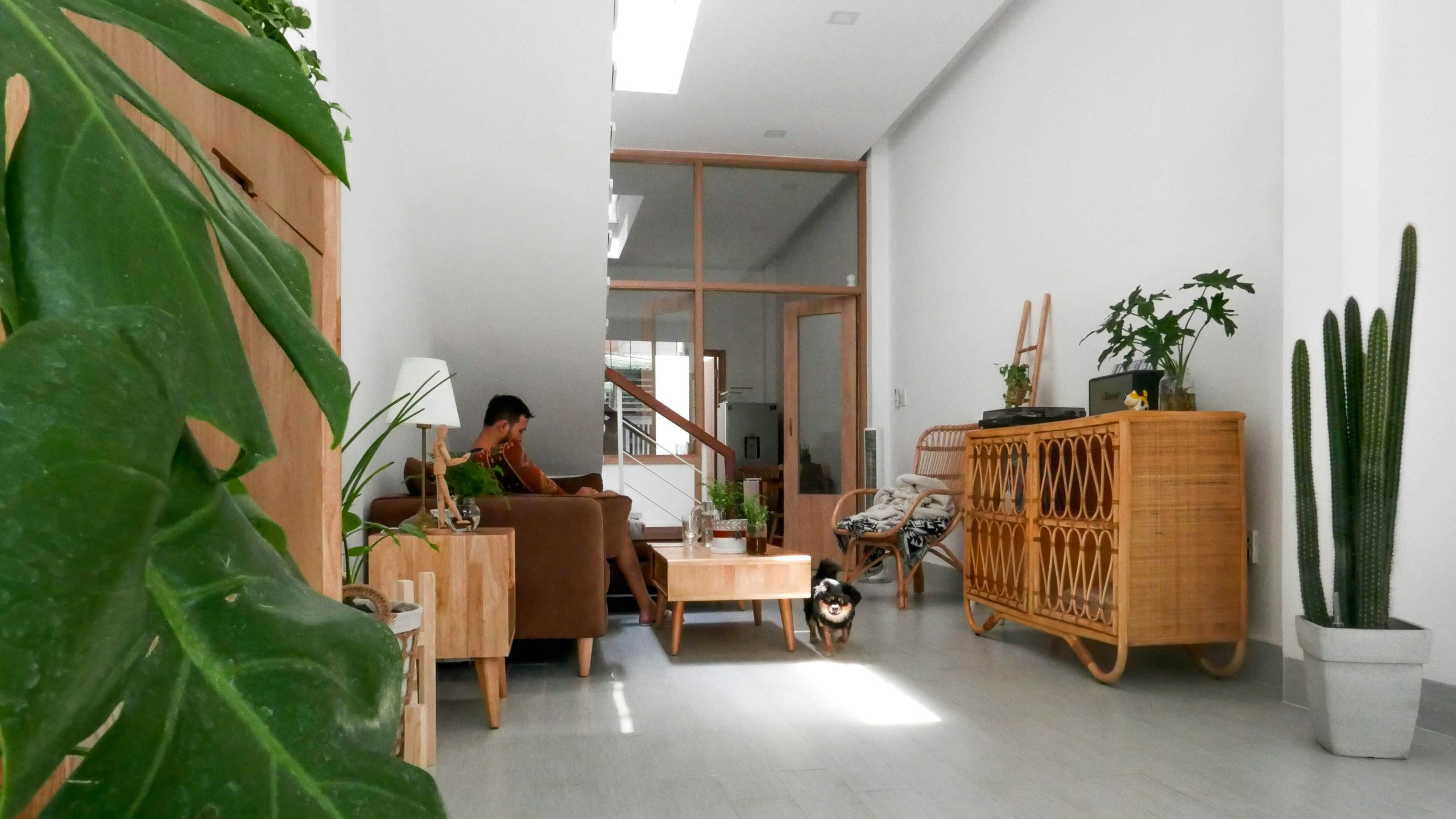
Renovations in smart homes also prioritize aesthetics. The décor of the house is made more attractive by hidden wiring, smart panels that regulate various systems, magnetic tracks for lighting, and ambient lighting. A design that takes into account the daily lives of the family creates a warm and friendly atmosphere which is customized according to the style of life of the family.
12. Example Smart Home Renovation Workflow
12.1 Consultation and Planning: Evaluate family requirements, financial plan, and limitations of the area.
12.2 Design and Technology Selection: Decide on the latest gadgets and design ideas that are compatible with lifestyle and conformity to laws.
12.3 Installation and Integration: Collaborate with the technical and design teams for the setup of appliances, making sure the network is uninterrupted.
12.4 Testing and Customization: Make adjustments to automation and have the family members trained on how to operate the devices.
12.5 Ongoing Maintenance: Make arrangements for updates and maintenance so that systems can keep working at their best.
Conclusion
In Singapore, smart home renovations are like a dream come true. They enable households to improve comfort, convenience, safety, and eco-friendliness with modern technology. Through the integration of state-of-the-art technology, brilliant design and feasible financing, the families in Singapore can achieve not only homes of the future but also the living standards that they get used to are already beyond today’s quality.