
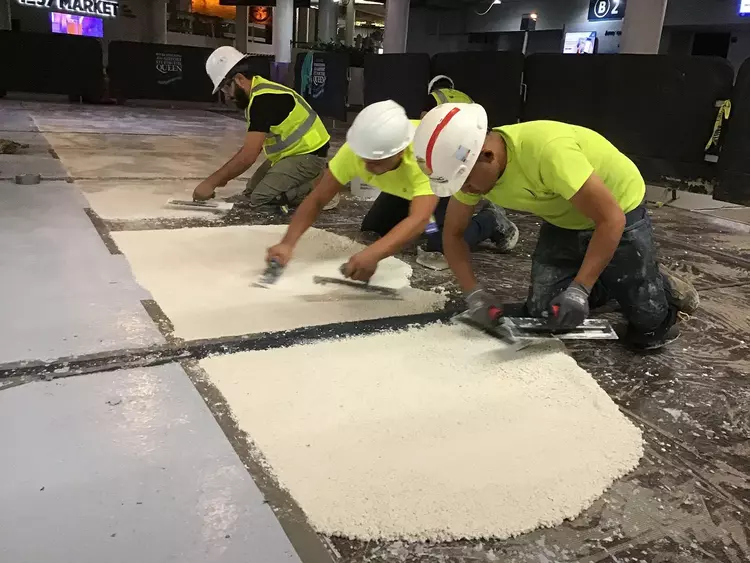
Introduction: The Importance of Flooring Choices in Singapore Homes
Flooring forms the foundation of your living environment—it impacts the ambiance, safety, and usability of every room. Singapore’s warm and humid tropical weather further complicates flooring needs, requiring materials that can endure moisture without warping, mold growth, or discomfort. Moreover, lifestyle preferences and budget constraints add another layer of consideration when choosing between hardwood, tiles, vinyl, or alternative materials. This guide will explore primary flooring options in Singapore’s market, their suitability for different spaces, cost implications, and emerging trends to help homeowners plan smartly in 2025. Popular Flooring Types in Singapore with Pros and Cons:
1. Hardwood Flooring
Overview:
Solid hardwood floors made from natural timbers such as oak, walnut, and teak offer timeless elegance, warmth, and increased property value. Hardwood flooring is highly durable and can be sanded and refinished multiple times.
Pros:
-
Long-lasting and durable with proper care
-
Adds natural warmth and high-end aesthetic appeal
-
Can be refinished multiple times to look new
-
Increases property resale value
Cons:
-
Expensive initial cost and installation
-
Susceptible to moisture damage and warping in humid environments
-
Requires regular maintenance (polishing, refinishing)
-
Not recommended for wet areas like bathrooms
Best For:
Living rooms, bedrooms, formal dining areas
2. Engineered Wood Flooring
Overview:
Engineered wood combines a hardwood veneer with plywood layers beneath, offering better moisture resistance than solid wood while retaining natural wood aesthetics.
Pros:
-
More moisture-resistant than solid hardwood
-
Easier and quicker installation (often click-lock systems)
-
Offers real wood appearance and texture
-
Suitable for tropical climates like Singapore
Cons:
-
Usually more expensive than laminate but less so than solid wood
-
Limited refinishing due to veneer thickness
-
Some products may have lower durability depending on manufacturing quality
Best For:
Living rooms, dining rooms, bedrooms
3. Laminate Flooring
Overview:
Laminate flooring features a high-density fiberboard core topped with a photographic applique layer mimicking wood, stone, or other textures, protected by a wear layer.
Pros:
-
Much more affordable than hardwood or engineered wood
-
Highly durable and scratch-resistant for high-traffic areas
-
Simple DIY or professional installation options
-
Wide range of appearance choices
Cons:
-
Not water/moisture resistant, prone to swelling in wet conditions
-
Cannot be refinished; damaged planks must be replaced
-
Synthetic appearance may not satisfy some aesthetics
Best For:
Corridors, home offices, low-moisture areas
4. Vinyl Flooring
Overview:
Vinyl flooring, available as sheets, tiles, or planks, offers excellent water resistance and versatility at various price points, including luxury vinyl planks (LVP) that closely resemble wood or stone.
Pros:
-
Highly water-resistant and suitable for moisture-prone areas
-
Cost-effective and easy to maintain
-
Soft underfoot and quieter than tile or stone
-
Available in diverse designs and textures
Cons:
-
Prone to denting or tearing from heavy furniture or sharp objects
-
Environmental concerns due to PVC content
-
May fade under prolonged direct sunlight exposure
Best For:
Kitchens, bathrooms, laundry rooms, basements
5. Tile Flooring (Ceramic & Porcelain)
Overview:
Tiles are a versatile and durable choice made from ceramic or porcelain materials, with porcelain being denser and more water-resistant.
Pros:
-
Highly durable and long-lasting
-
Water and stain resistant—excellent for wet areas
-
Wide variety of styles, colors, and textures
-
Low maintenance and easy to clean
Cons:
-
Can feel cold and hard underfoot
-
Slippery when wet unless textured or treated
-
Grout lines need periodic cleaning or sealing
-
Installation requires skilled labor and can be costly
Best For:
Bathrooms, kitchens, outdoor areas, entryways
6. Marble and Natural Stone Flooring
Overview:
Natural stones like marble, granite, and slate offer luxurious aesthetics, unique textures, and durability for premium projects.
Pros:
-
Timeless elegance and high-end appearance
-
Durable and long-lasting with proper care
-
Natural cooling effect desirable in warm climates
-
Increases country and resale value
Cons:
-
High initial cost and maintenance (polishing & sealing)
-
Can be slippery and cold underfoot
-
Susceptible to staining and scratching if untreated
Best For:
Foyers, living rooms, premium bathrooms, landed homes
7. Bamboo Flooring
Overview:
Bamboo is a sustainable and eco-friendly option that resembles hardwood but grows faster, making it highly renewable.
Pros:
-
Eco-friendly and renewable material
-
Durable and moisture resistant compared to hardwood
-
Stylish and modern appearance
-
Generally low maintenance
Cons:
-
Quality varies; cheaper bamboo can dent easily
-
Susceptible to scratches and moisture if not properly treated
Best For:
Living rooms, bedrooms, eco-conscious homeowners
8. Carpet Flooring
Overview:
Carpets offer softness, warmth, and sound absorption, suitable for bedrooms and offices seeking comfort and insulation.
Pros:
-
Provides warmth and comforts underfoot
-
Sound absorption and insulation properties
-
Available in numerous textures, colors, and styles
Cons:
-
High maintenance—requires frequent vacuuming and deep cleaning
-
Prone to stains and wear in high-traffic areas
-
Can harbor dust mites and allergens
Best For:
Bedrooms, home offices, cozy interior spaces
9. Cork Flooring
Overview:
Cork, made from tree bark, is naturally soft, warm, and sound-absorbing with anti-microbial properties.
Pros:
-
Soft and comfortable surface
-
Good thermal and acoustic insulation
-
Eco-friendly and hypoallergenic
Cons:
-
Requires sealing to protect from moisture damage
-
Can fade or dent under heavy furniture
Best For:
Bedrooms, children’s rooms, study areas
10. Concrete Flooring
Overview:
Concrete is a low-maintenance, industrial-style option, which can be polished, stained, or textured to various finishes.
Pros:
-
Very durable and long-lasting
-
Cost-effective for large areas
-
Modern, minimalist aesthetic
-
Easy to clean and maintain
Cons:
-
Can be hard and cold underfoot
-
Prone to cracking if substrate moves
-
Limited design warmth without rugs or soft furnishings
Best For:
Basements, garages, contemporary homes
Factors to Consider When Choosing Flooring in Singapore
-
Climate Suitability: Moisture resistance is critical due to heat and humidity. Vinyl and tiles excel here, while hardwood requires more care.
-
Usage Area: High-traffic vs low-traffic areas need balance of durability and style.
-
Maintenance: Some materials require regular polishing, sealing, or cleaning.
-
Budget: Cost varies widely; laminate and vinyl offer affordable options while natural stone and hardwood are premium.
-
Style and Comfort: Flooring contributes substantially to home ambiance and comfort levels.
-
Environmental Impact: Eco friendly options like bamboo and cork gain traction for sustainability-conscious homeowners.
Emerging Flooring Trends in Singapore 2025
-
Sustainable and eco-conscious materials such as bamboo and cork
-
Large format tiles and seamless flooring to create spacious looks
-
Patterned floors using herringbone and chevron designs for modern appeal
-
Hybrid solutions like engineered wood for resilience in humidity
-
Smart flooring with underfloor heating and integrated sensors
Conclusion: Making the Right Flooring Choice for Your Singapore Home
Selecting the right flooring option is essential for lasting value, comfort, and style in Singapore’s unique tropical context. By carefully weighing the pros and cons of each material and considering your home’s specific needs, you can create a beautiful, durable floor that enhances your living experience for years. Whether opting for classic hardwood, versatile vinyl, or elegant tiles, staying informed and planning wisely ensures your investment is both practical and visually appealing. Homeowners ready to renovate or build can use this guide as their definitive resource for smart flooring choices in 2025.